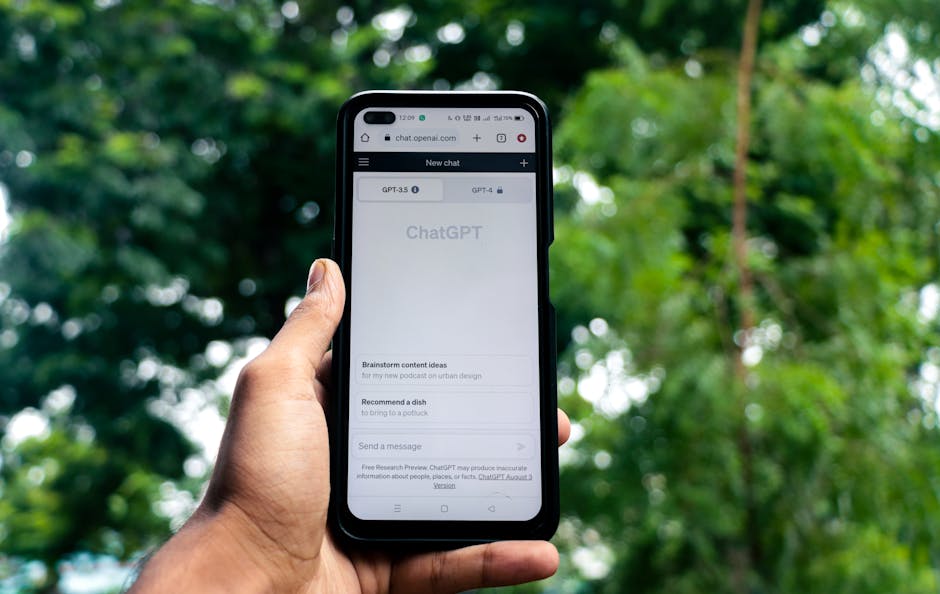
ChatGPT for Business: A Comprehensive Guide
I. Understanding ChatGPT and Its Capabilities
ChatGPT, developed by OpenAI, is a sophisticated language model leveraging the GPT (Generative Pre-trained Transformer) architecture. At its core, it predicts the next word in a sequence, trained on a massive dataset of text and code. This training empowers it to generate human-like text, translate languages, write different kinds of creative content, and answer your questions in an informative way. For businesses, this translates to a powerful tool capable of automating various tasks, improving customer interactions, and driving innovation.
However, understanding ChatGPT’s capabilities also requires acknowledging its limitations. It can sometimes generate factually incorrect information (“hallucinations”), reflect biases present in its training data, and struggle with nuanced or complex reasoning. Therefore, responsible implementation requires careful oversight and validation of its outputs.
II. Key Business Applications of ChatGPT
ChatGPT’s versatility allows for a wide range of applications across various business functions:
-
Customer Service: ChatGPT can power chatbots that handle common customer inquiries, provide product information, resolve basic issues, and route complex cases to human agents. This can significantly reduce wait times, improve customer satisfaction, and free up human agents to focus on more complex problems. Think of it as a 24/7 support representative capable of answering FAQs, assisting with order tracking, and providing basic troubleshooting advice.
-
Content Creation and Marketing: ChatGPT excels at generating various types of content, including blog posts, articles, social media updates, email marketing campaigns, website copy, product descriptions, and even scripts for videos. It can also assist with brainstorming content ideas, refining existing content, and optimizing content for search engines. For instance, a marketing team can use ChatGPT to generate multiple versions of ad copy to test different messaging strategies.
-
Sales and Lead Generation: ChatGPT can be used to personalize sales outreach, qualify leads, and automate email follow-ups. It can analyze customer data to identify potential leads, craft personalized messages tailored to their specific needs and interests, and schedule automated follow-up emails. This can significantly improve conversion rates and reduce the workload for sales teams. Imagine a sales representative using ChatGPT to generate custom email sequences for different customer segments based on their website activity.
-
Internal Communication and Knowledge Management: ChatGPT can be used to create internal knowledge bases, generate meeting summaries, and automate internal communication tasks. It can organize and summarize company documents, answer employee questions, and facilitate communication between different departments. This can improve employee productivity, reduce information silos, and enhance overall organizational efficiency. For example, a company can create a ChatGPT-powered internal helpdesk that answers employee questions about HR policies and procedures.
-
Data Analysis and Reporting: ChatGPT can assist with data analysis by summarizing data sets, identifying trends, and generating reports. While it’s not a replacement for specialized data analysis tools, it can provide a quick and easy way to gain insights from data without requiring advanced technical skills. A business analyst could use ChatGPT to summarize key findings from customer survey data or generate a report on sales performance by region.
-
Software Development and Code Generation: While not a replacement for experienced programmers, ChatGPT can assist with code generation, debugging, and documentation. It can generate code snippets in various programming languages, explain existing code, and identify potential errors. This can accelerate the software development process and improve code quality.
III. Implementing ChatGPT in Your Business: A Step-by-Step Guide
-
Define Clear Objectives: Before implementing ChatGPT, clearly define your business goals and how ChatGPT can help achieve them. What specific problems are you trying to solve? What metrics will you use to measure success? Are you aiming to improve customer satisfaction, increase sales, reduce operational costs, or enhance employee productivity? Specific goals will inform your implementation strategy.
-
Choose the Right Platform and Model: OpenAI offers various access methods to ChatGPT, including the API, the web interface, and integrations with other platforms. Choose the method that best suits your needs and technical capabilities. Consider the different GPT models available (e.g., GPT-3.5, GPT-4) and select the one that provides the best balance of performance, cost, and complexity for your specific use case.
-
Data Preparation and Training (if applicable): For certain applications, such as building custom chatbots or personalizing content, you may need to fine-tune ChatGPT with your own data. This involves preparing your data, cleaning it, and training the model to better understand your specific needs and requirements. OpenAI provides tools and resources to facilitate this process. Consider the ethical implications of using your data to train the model and ensure you have the necessary permissions and consent.
-
Prompt Engineering: Crafting effective prompts is crucial for getting the desired results from ChatGPT. Prompts should be clear, concise, and specific, providing the model with enough context to generate relevant and accurate responses. Experiment with different prompts to find what works best for your specific use case. Techniques like “few-shot learning” (providing examples of desired outputs) can significantly improve the quality of ChatGPT’s responses.
-
Integration with Existing Systems: Seamlessly integrate ChatGPT with your existing business systems, such as CRM, marketing automation platforms, and customer service software. This will allow you to automate workflows, personalize interactions, and track performance more effectively. Ensure data security and privacy when integrating ChatGPT with your systems.
-
Monitoring and Evaluation: Continuously monitor ChatGPT’s performance and evaluate its effectiveness in achieving your business goals. Track key metrics such as customer satisfaction, conversion rates, and cost savings. Use this data to identify areas for improvement and refine your implementation strategy.
-
Security and Ethical Considerations: Address security and ethical considerations proactively. Implement measures to protect sensitive data, prevent misuse of the technology, and ensure fairness and transparency. Develop clear guidelines for using ChatGPT and train your employees on responsible use. Be aware of potential biases in the model and take steps to mitigate them.
IV. Best Practices for Using ChatGPT in Business
-
Human Oversight: Always maintain human oversight of ChatGPT’s outputs, especially in critical applications such as customer service and legal compliance. ChatGPT is a tool, not a replacement for human judgment.
-
Prompt Engineering is Key: Invest time in crafting effective prompts that elicit the desired responses from ChatGPT. Experiment with different prompts and techniques to optimize performance.
-
Data Privacy and Security: Prioritize data privacy and security when using ChatGPT. Implement measures to protect sensitive data and comply with relevant regulations.
-
Transparency and Disclosure: Be transparent with your customers and employees about the use of ChatGPT. Disclose when they are interacting with a chatbot powered by AI.
-
Continuous Learning and Improvement: Stay up-to-date with the latest developments in ChatGPT technology and continuously learn and improve your implementation strategy. OpenAI is constantly releasing new features and updates.
-
Training and Documentation: Train your employees on how to effectively use ChatGPT and provide clear documentation on best practices and guidelines.
-
Feedback Loops: Establish feedback loops to gather insights from users and identify areas for improvement in ChatGPT’s performance and user experience.
V. The Future of ChatGPT in Business
The future of ChatGPT in business is bright, with continued advancements in language models and increasing adoption across various industries. We can expect to see:
-
More Sophisticated Models: Future versions of ChatGPT will be even more powerful and capable, with improved reasoning abilities, factual accuracy, and nuanced understanding of language.
-
Personalized Experiences: ChatGPT will enable businesses to deliver increasingly personalized experiences to their customers, tailoring interactions to individual needs and preferences.
-
Automation of Complex Tasks: ChatGPT will automate increasingly complex tasks, freeing up human employees to focus on more strategic and creative work.
-
Integration with Emerging Technologies: ChatGPT will be integrated with emerging technologies such as augmented reality (AR) and virtual reality (VR), creating new opportunities for immersive and interactive experiences.
-
Increased Ethical Considerations: As ChatGPT becomes more powerful, ethical considerations will become even more important. Businesses will need to address issues such as bias, fairness, and transparency to ensure responsible use of the technology.
By understanding ChatGPT’s capabilities, implementing it strategically, and adhering to best practices, businesses can leverage this powerful technology to drive innovation, improve customer experiences, and achieve their business goals. The key lies in viewing it as a collaborative tool, augmenting human capabilities rather than replacing them entirely.