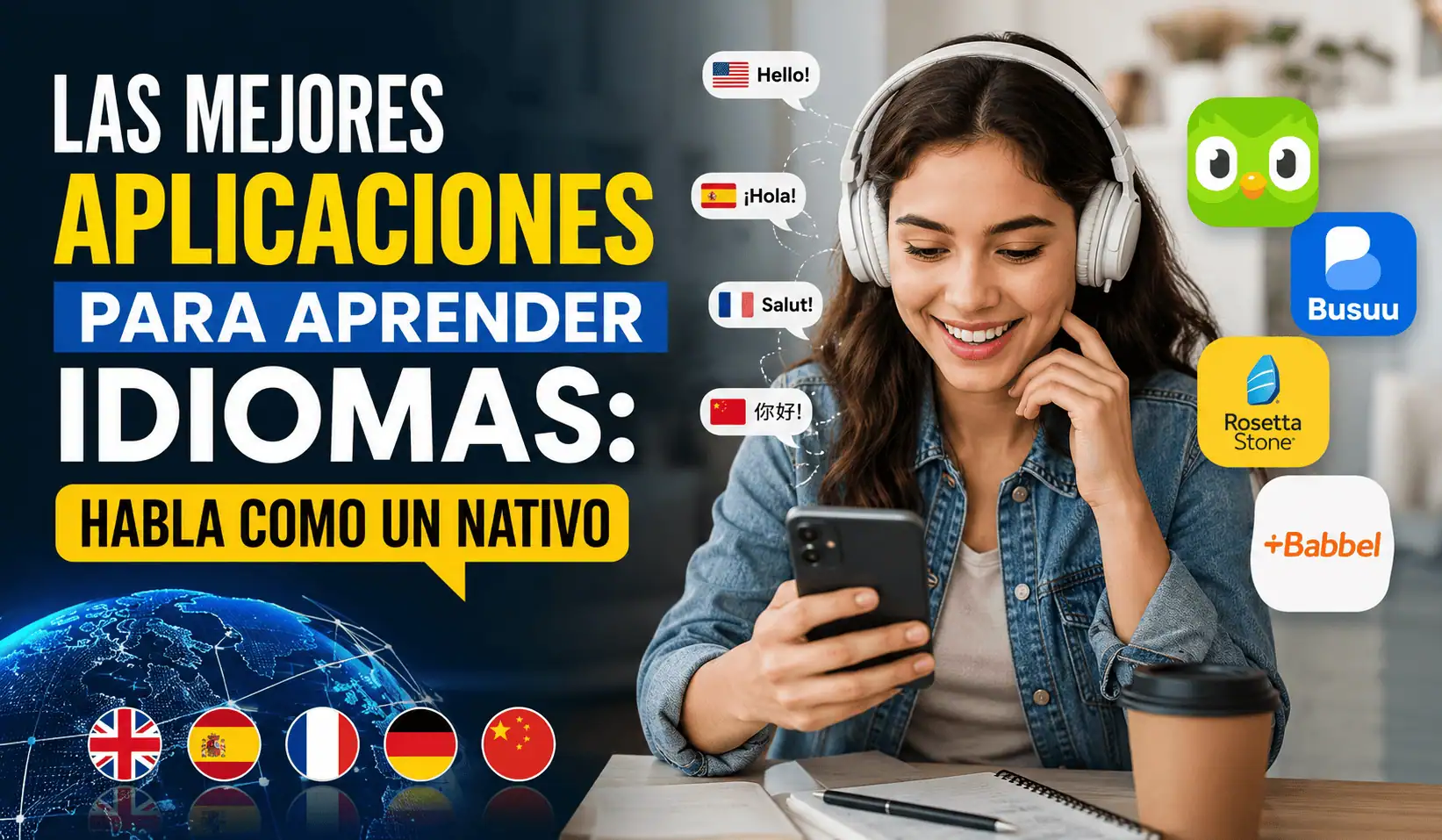
Las mejores aplicaciones para aprender idiomas: Habla como un nativo.
El camino para hablar un nuevo idioma con fluidez y confianza, como un hablante nativo, es una aventura que a menudo se emprende con pasión y dedicación. Afortunadamente, la tecnología ha revolucionado este proceso, ofreciendo una gran variedad de aplicaciones para aprender idiomas que se adaptan a diversos estilos y objetivos de aprendizaje. Elegir la aplicación adecuada puede influir significativamente en tu progreso, convirtiendo la tarea, a menudo desalentadora, de adquirir un idioma en una experiencia atractiva y gratificante. Aquí, analizamos algunas de las mejores aplicaciones que prometen mejorar tus habilidades lingüísticas y acercarte a hablar como un nativo.
1. Duolingo: Aprendizaje de idiomas gamificado para principiantes
Duolingo sigue siendo una de las aplicaciones favoritas por su accesibilidad y su enfoque gamificado. Destaca por construir una base sólida en vocabulario y gramática mediante lecciones breves presentadas en un formato lúdico. La aplicación abarca más de 30 idiomas e incluye ejercicios interactivos como emparejar palabras, traducir y practicar la conversación. Su punto fuerte reside en hacer que el aprendizaje sea divertido y adictivo, motivando a los usuarios a practicar con constancia.
- Enfoque: Conceptos básicos de vocabulario y gramática, comprensión lectora, habilidades auditivas.
- Metodología: Aprendizaje basado en juegos, repetición espaciada.
- Ventajas: Acceso gratuito a la mayor parte del contenido, amplia gama de idiomas, atractivo y motivador.
- Desventajas: Puede resultar repetitivo, carece de profundidad en la gramática avanzada y tiene un enfoque limitado en la fluidez conversacional.
- Cualidades sonoras de hablante nativo: Útil para ampliar el vocabulario básico y comprender la estructura de las oraciones. Repetir oraciones y frases después de las guías de pronunciación de la aplicación ayuda a los estudiantes a familiarizarse con nuevos sonidos y patrones de entonación; sin embargo, se centra principalmente en la pronunciación de palabras individuales, no necesariamente en los matices del habla natural.
2. Babbel: Cursos de idiomas estructurados con aplicación práctica.
Babbel se distingue por su currículo estructurado, diseñado por expertos en idiomas. Los cursos se adaptan a niveles de competencia específicos y se centran en conversaciones prácticas que puedes usar en situaciones de la vida real. La aplicación hace hincapié en las habilidades de expresión oral y comprensión auditiva, con diálogos interactivos y tecnología de reconocimiento de voz para mejorar la pronunciación.
- Enfoque: Habilidades de conversación, gramática y vocabulario relevantes para situaciones cotidianas.
- Metodología: Cursos estructurados, diálogos de la vida real, reconocimiento de voz.
- Ventajas: Plan de estudios bien estructurado, se centra en conversaciones prácticas, audio de alta calidad.
- Desventajas: Requiere suscripción y ofrece menos variedad en los métodos de aprendizaje en comparación con Duolingo.
- Native Speaker Sounding Qualities: Babbel excels in introducing learners to conversational phrases and common idioms used by native speakers. The focus on practical dialogues and real-life scenarios provides a context for understanding how native speakers communicate naturally. Its speech recognition features are designed to help learners refine their pronunciation and intonation to match native speakers.
3. Memrise: Memorization with Visual Aids and Native Speaker Videos
Memrise takes a different approach to language learning, focusing on memorization through visual aids and spaced repetition. It uses mnemonics and memorable images to help you remember vocabulary and grammar rules. A key feature is its extensive library of user-generated courses and videos of native speakers using the language in real-life situations.
- Focus: Vocabulary memorization, grammar rules, exposure to real-world language.
- Methodology: Spaced repetition, visual aids, mnemonics, native speaker videos.
- Pros: Effective memorization techniques, large library of user-generated content, exposure to authentic language.
- Cons: User-generated content can vary in quality, less emphasis on grammar explanation.
- Native Speaker Sounding Qualities: Memrise’s strength lies in exposing learners to authentic language through videos of native speakers. Observing native speakers in real-life situations, using common phrases and idioms, provides learners with valuable insights into the nuances of the language and helps them understand how native speakers communicate naturally. The spaced repetition system also helps learners retain vocabulary and phrases, enabling them to use them more fluently in conversations.
4. italki: Connecting with Native Tutors for Personalized Learning
italki provides a platform for connecting with native language tutors from around the world. You can choose a tutor based on your budget, learning goals, and preferred teaching style. This personalized approach allows you to focus on your specific needs and receive individualized feedback on your pronunciation and grammar.
- Focus: Personalized learning, speaking practice, grammar correction, cultural insights.
- Methodology: One-on-one lessons with native tutors.
- Pros: Personalized learning experience, direct feedback from native speakers, flexible scheduling.
- Cons: Can be expensive, requires proactive effort to find a suitable tutor.
- Native Speaker Sounding Qualities: italki is arguably the best app for developing native-like fluency. The direct interaction with native speakers allows for immediate feedback on pronunciation, intonation, and grammar, helping learners identify and correct errors. Tutors can also provide cultural insights and teach learners about colloquialisms and idioms that are commonly used by native speakers, contributing to a more authentic and natural sounding speech.
5. HelloTalk: Language Exchange with Native Speakers
HelloTalk connects you with native speakers of the language you’re learning for language exchange. You can chat with them via text, voice, and video calls, correcting each other’s language mistakes and learning about each other’s cultures. This immersive approach provides valuable speaking practice and helps you build fluency.
- Focus: Language exchange, speaking practice, cultural exchange, real-time feedback.
- Methodology: Language exchange with native speakers through text, voice, and video chat.
- Pros: Free access, immersive learning experience, cultural exchange opportunities.
- Cons: Requires active participation, quality of language exchange depends on partner.
- Native Speaker Sounding Qualities: HelloTalk provides invaluable opportunities for practicing spontaneous conversation with native speakers. Engaging in real-time conversations allows learners to develop their ability to think on their feet and respond naturally to different situations. Receiving corrections and feedback from native speakers helps learners refine their pronunciation, grammar, and vocabulary, leading to a more authentic and natural sounding speech.
6. Rosetta Stone: Immersive Language Learning with Visual Cues
Rosetta Stone utilizes a purely immersive approach, avoiding translations and relying on visual cues and contextual learning. This method aims to mimic how children learn their first language, encouraging you to think in the target language from the beginning. The app features speech recognition technology to help you refine your pronunciation.
- Focus: Immersive learning, pronunciation, thinking in the target language.
- Methodology: Immersion, visual cues, speech recognition.
- Pros: Immersive learning experience, strong emphasis on pronunciation.
- Cons: Can be expensive, less focus on grammar explanation.
- Native Speaker Sounding Qualities: Rosetta Stone’s focus on immersion and pronunciation helps learners develop a more natural accent and intonation. By avoiding translations and relying on visual cues, the app encourages learners to think in the target language, which can lead to more fluent and natural speech patterns. The speech recognition technology provides immediate feedback on pronunciation, helping learners identify and correct errors.
7. Tandem: Language Exchange and Community Learning
Tandem is another popular language exchange app that connects you with native speakers for language practice and cultural exchange. It offers a variety of features, including text chat, voice calls, video calls, and audio messages. You can also participate in group discussions and learn from other language learners.
- Focus: Language exchange, community learning, speaking practice, cultural exchange.
- Methodology: Language exchange with native speakers through text, voice, and video chat, group discussions.
- Pros: Free access, large community of language learners, diverse learning features.
- Cons: Requires active participation, quality of language exchange depends on partner.
- Native Speaker Sounding Qualities: Similar to HelloTalk, Tandem provides opportunities for practicing spontaneous conversations with native speakers. The group discussion feature allows learners to observe and learn from other language learners, exposing them to different perspectives and learning strategies. Receiving corrections and feedback from native speakers helps learners refine their pronunciation, grammar, and vocabulary, leading to a more authentic and natural sounding speech.
8. Anki: Customizable Flashcard System for Vocabulary Building
Anki is a powerful and highly customizable flashcard system that uses spaced repetition to optimize memorization. You can create your own flashcards with text, images, and audio, and customize the intervals at which you review them. This app is particularly useful for building vocabulary and mastering grammar rules.
- Focus: Vocabulary memorization, grammar rules, customized learning.
- Methodology: Spaced repetition, customizable flashcards.
- Pros: Highly customizable, effective memorization techniques, free and open-source.
- Cons: Can be complex to set up, requires effort to create flashcards.
- Native Speaker Sounding Qualities: Anki, while not directly focused on pronunciation, is crucial for expanding vocabulary and mastering grammar. A strong vocabulary and understanding of grammar are essential for speaking fluently and naturally. By using Anki to memorize common phrases and idioms, learners can incorporate them into their conversations, making their speech sound more native-like.
9. Pimsleur: Audio-Based Language Learning for Conversational Fluency
Pimsleur is an audio-based language learning program that focuses on conversational fluency. Lessons are structured around dialogues that you listen to and repeat, gradually building your vocabulary and grammar skills. The app emphasizes pronunciation and intonation, helping you develop a natural accent.
- Focus: Conversational fluency, pronunciation, listening comprehension.
- Methodology: Audio-based lessons, repetition, spaced repetition.
- Pros: Focuses on conversational fluency, emphasizes pronunciation, convenient for learning on the go.
- Cons: Can be expensive, less emphasis on grammar explanation.
- Native Speaker Sounding Qualities: Pimsleur’s audio-based approach is designed to train your ear and help you mimic the pronunciation and intonation of native speakers. By repeatedly listening to and repeating dialogues, learners internalize the rhythm and flow of the language, leading to a more natural and authentic sounding speech. The emphasis on pronunciation ensures that learners are able to articulate words and phrases correctly, making their speech more easily understood by native speakers.
10. Clozemaster: Learning in Context through Gap-Fill Exercises
Clozemaster utilizes a unique approach centered on “cloze” (gap-fill) exercises. It presents sentences with missing words, requiring you to fill in the blank based on context and grammar. This method helps you learn vocabulary and grammar in a meaningful way, improving your reading comprehension and overall language proficiency. The app contains a vast database of sentences sourced from real-world texts.
- Focus: Vocabulary in context, grammar, reading comprehension, sentence structure.
- Methodology: Cloze (gap-fill) exercises, context-based learning.
- Pros: Extensive database of sentences, learns vocabulary in context, effective for improving reading comprehension.
- Cons: Can be repetitive, less emphasis on speaking practice.
- Native Speaker Sounding Qualities: Clozemaster’s emphasis on learning vocabulary and grammar in context helps learners understand how native speakers use language in real-world situations. By completing cloze exercises, learners develop a deeper understanding of sentence structure and how different parts of speech work together. This knowledge contributes to more fluent and natural speech patterns, as learners are able to construct sentences more accurately and confidently.
En definitiva, la mejor aplicación para aprender idiomas dependerá de tu estilo de aprendizaje, tus objetivos y tus preferencias. Experimenta con diferentes aplicaciones y encuentra las que mejor se adapten a ti y te motiven a aprender. Combinar varias aplicaciones que se centren en distintos aspectos del aprendizaje de idiomas también puede ser una estrategia muy eficaz para alcanzar la fluidez y sonar como un hablante nativo. La clave está en la práctica constante y la dedicación.