Herramientas de investigación de palabras clave: Desbloqueando conocimientos semánticos con IA
La base de cualquier estrategia SEO exitosa reside en una investigación exhaustiva de palabras clave. Atrás quedaron los días en que bastaba con usar palabras clave de alto volumen. Hoy en día, comprender la intención del usuario e identificar grupos semánticos relevantes es fundamental. Las herramientas de IA están revolucionando este proceso, ofreciendo información más profunda y descubriendo oportunidades ocultas.
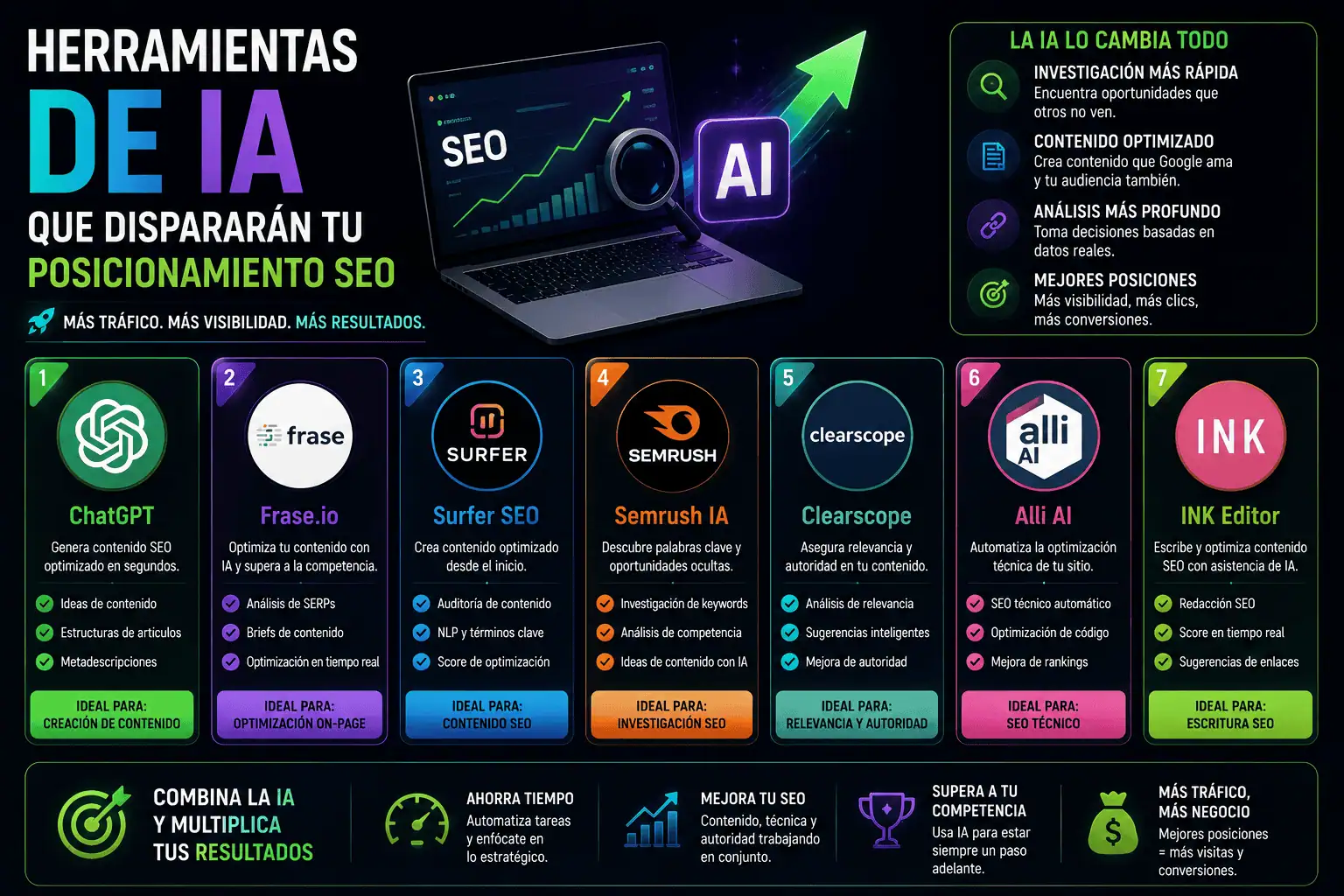
- Surfer SEO: Esta plataforma va más allá de la investigación tradicional de palabras clave al analizar las páginas mejor posicionadas para tus palabras clave objetivo. Su editor de contenido con IA proporciona sugerencias en tiempo real para palabras clave, estructura de oraciones e incluso optimización de encabezados, asegurando que su contenido sea relevante y completo. Surfer SEO utiliza el procesamiento del lenguaje natural (PLN) para comprender las relaciones semánticas entre las palabras clave, ayudándote a crear contenido que conecte tanto con los motores de búsqueda como con los usuarios. Su “SERP Analyzer” analiza el contenido de la competencia, revelando las estrategias más efectivas e identificando oportunidades que puedes aprovechar.
- Semrush: Si bien es una suite SEO multifacética, las herramientas de investigación de palabras clave de Semrush se benefician significativamente de la IA. Su herramienta “Keyword Magic Tool” no solo genera ideas de palabras clave, sino que también analiza su potencial de posicionamiento, dificultad y preguntas relacionadas. Semrush utiliza algoritmos de aprendizaje automático para identificar palabras clave de cola larga y tendencias emergentes, lo que te permite estar a la vanguardia. Su herramienta “Topic Research” sugiere ideas de contenido basadas en tus palabras clave objetivo, ayudándote a crear contenido atractivo e informativo que responda a la intención del usuario.
- Ahrefs: Conocida por su sólido análisis de backlinks, Ahrefs también ofrece herramientas de investigación de palabras clave basadas en IA. Su “Explorador de palabras clave” proporciona métricas detalladas para cada palabra clave, incluyendo el volumen de búsqueda, la dificultad y la tasa de clics. Ahrefs utiliza el aprendizaje automático para identificar palabras clave relacionadas y analizar la intención de búsqueda subyacente. Su “Explorador de contenido” te ayuda a descubrir temas de tendencia e identificar carencias de contenido en tu nicho, lo que te permite optimizar tu estrategia de creación de contenido.
- Análisis de palabras clave: Esta herramienta se centra en agrupar palabras clave según su intención de búsqueda. Utiliza inteligencia artificial para agrupar palabras clave con significados similares, lo que permite crear contenido completo que aborde todas las facetas de un tema en particular. Al comprender la intención de búsqueda subyacente, puedes optimizar tu contenido para obtener mejores posiciones en los resultados de búsqueda y mayor interacción con los usuarios. El análisis de palabras clave ayuda a evitar la canibalización de palabras clave y garantiza que tu contenido sea altamente relevante y esté dirigido a un público específico.
- Ranktracker: While often associated with rank tracking, Ranktracker offers sophisticated keyword research facilitated by AI. It analyzes keyword search volume and difficulty to pinpoint those that present the greatest ranking opportunity. The tool’s “Keyword Finder” integrates with Google’s Autocomplete and related searches to generate many relevant suggestions that might otherwise be overlooked.
Content Optimization: Crafting AI-Enhanced Content That Converts
Creating high-quality content is no longer enough. Your content must be optimized for both search engines and user engagement. AI tools are transforming the content optimization process, providing real-time feedback and suggestions for improvement.
- Grammarly: While primarily known as a grammar checker, Grammarly leverages AI to improve the clarity, tone, and style of your writing. It identifies grammatical errors, spelling mistakes, and punctuation issues, ensuring your content is error-free and professional. Grammarly also offers suggestions for improving sentence structure and word choice, making your writing more concise and engaging. Its tone detector helps you ensure your content aligns with your brand voice and resonates with your target audience.
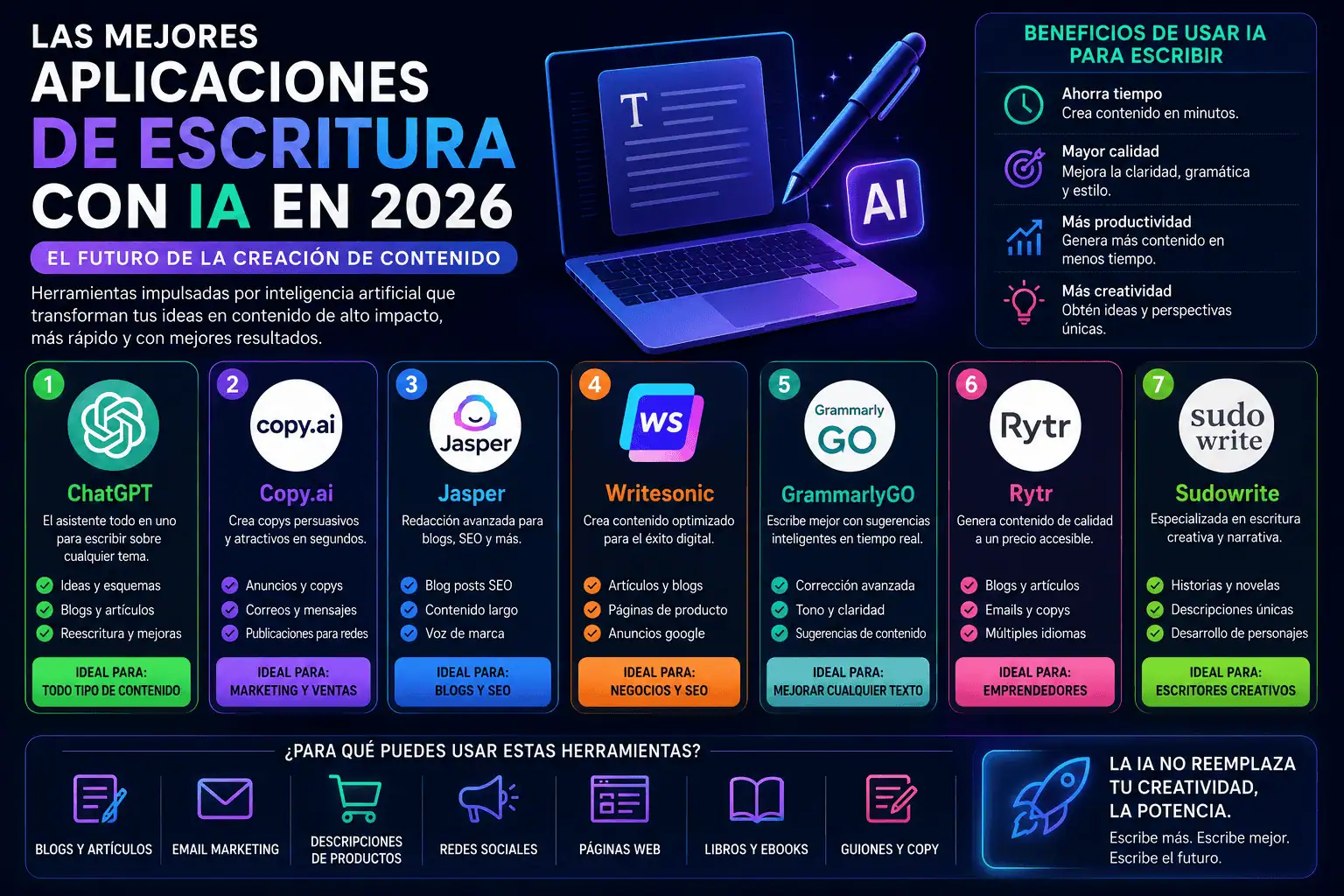
- Jasper.ai (Formerly Jarvis): This AI writing assistant can generate various content formats, from blog posts and articles to social media updates and website copy. Jasper.ai uses natural language generation (NLG) to create original content based on your input. While human oversight is still necessary, Jasper.ai can significantly speed up the content creation process and help you overcome writer’s block. It can also be used to rewrite existing content, improve its readability, and optimize it for search engines.
- Scalenut: Scalenut is a comprehensive content marketing platform that leverages AI to streamline the entire content creation process. It offers tools for keyword research, content planning, writing, and optimization. Scalenut’s AI-powered content editor provides real-time feedback on your content’s readability, keyword density, and overall SEO score. It also suggests relevant keywords and topics to include in your content, ensuring it is both comprehensive and optimized for search engines.
- Frase.io: Frase.io focuses on helping you create comprehensive and authoritative content that answers user questions. It analyzes the top-ranking pages for your target keywords and identifies the key topics and questions they address. Frase.io then provides you with a detailed outline and suggestions for creating content that covers these topics in depth. Its AI-powered content editor provides real-time feedback on your content’s completeness and relevance, helping you create content that ranks higher and attracts more organic traffic.
- Clearscope: Clearscope specializes in SEO content optimization. It analyzes top-ranking search results for target keywords and then provides specific word recommendations to ensure written content is comprehensive and competitive. Clearscope assesses content grade and readability in real time.
Link Building: Smart Strategies Powered by AI Insights
Link building remains a critical component of SEO. AI tools can help you identify potential link opportunities, analyze competitor backlinks, and personalize your outreach efforts.
- BuzzSumo: While not strictly an AI tool, BuzzSumo uses machine learning to identify trending topics and influential content in your niche. By analyzing social media shares and engagement metrics, BuzzSumo helps you discover content that is likely to attract backlinks. You can then use this information to create similar content or reach out to the authors of these articles to request backlinks.
- Linkody: Linkody monitors your backlinks and alerts you to any changes, such as lost links or broken links. It also provides insights into your competitors’ backlink profiles, helping you identify potential link opportunities. Linkody uses machine learning to identify suspicious or low-quality backlinks, allowing you to disavow them and protect your website’s ranking.
- Majestic SEO: Majestic SEO offers detailed insights into the backlink profiles of websites. Its “Trust Flow” and “Citation Flow” metrics provide a comprehensive assessment of a website’s authority and influence. Majestic SEO’s “Topic Trust Flow” allows you to analyze the topical relevance of backlinks, helping you identify high-quality links from authoritative sources in your niche.
- Outreach.Buzz: Outreach.Buzz streamlines and enhances the outreach process. It helps in finding relevant websites and contacts for guest posting or link exchange. It also has the functionality to send personalized email pitches based on the content and website niche using AI-driven recommendations.
Technical SEO: Diagnosing and Optimizing for Peak Performance
Technical SEO ensures your website is crawlable, indexable, and user-friendly. AI tools can automate many technical SEO tasks, such as identifying broken links, optimizing page speed, and improving website architecture.
- Screaming Frog SEO Spider: While not exclusively AI-powered, Screaming Frog integrates with various AI tools to enhance its capabilities. It crawls your website and identifies technical SEO issues, such as broken links, missing meta descriptions, and duplicate content. By integrating with Google Analytics and Google Search Console, Screaming Frog provides a comprehensive overview of your website’s performance and helps you identify areas for improvement.
- Ryte analiza el rendimiento SEO técnico de tu sitio web y te ofrece recomendaciones prácticas para mejorarlo. Identifica enlaces rotos, páginas de carga lenta y otros problemas técnicos que pueden afectar negativamente el posicionamiento de tu sitio web. Ryte también monitoriza la disponibilidad de tu sitio web y te avisa si hay algún problema de inactividad.
- PageSpeed Insights (con extensiones de IA): PageSpeed Insights de Google analiza la velocidad de carga de tu sitio web y ofrece sugerencias para mejorarla. Si bien PageSpeed Insights no utiliza IA directamente, varias extensiones de navegador la aprovechan para proporcionar información más detallada y sugerencias de optimización automatizadas. Estas extensiones pueden ayudarte a identificar elementos específicos que ralentizan tu sitio web y optimizar el código.
Seguimiento de posicionamiento: Monitorea tu progreso e identifica oportunidades.
El seguimiento de posicionamiento te permite monitorizar la posición de tu sitio web en los resultados de búsqueda para tus palabras clave objetivo. Las herramientas de IA pueden automatizar el proceso de seguimiento y proporcionar información valiosa sobre el rendimiento de tu sitio web a lo largo del tiempo.
- SERPwoo: SERPwoo proporciona datos de seguimiento de posicionamiento en tiempo real para una amplia gama de palabras clave. Permite monitorizar el posicionamiento de tu sitio web en múltiples motores de búsqueda y dispositivos. SERPwoo también ofrece seguimiento del posicionamiento de la competencia, lo que te permite supervisar su rendimiento e identificar oportunidades para superarla. Su algoritmo basado en IA identifica las fluctuaciones de posicionamiento y proporciona información sobre sus posibles causas.
- AccuRanker: AccuRanker es una herramienta de seguimiento de posicionamiento rápido y preciso que proporciona actualizaciones diarias. Permite monitorear el posicionamiento de tu sitio web para un número ilimitado de palabras clave. Además, ofrece seguimiento de posicionamiento local, lo que te permite monitorear el posicionamiento de tu sitio web en ubicaciones geográficas específicas.