Sección 1: El poder de las aplicaciones gratuitas para el seguimiento de gastos
En el complejo panorama financiero actual, controlar tus gastos es fundamental para lograr la estabilidad financiera y alcanzar tus metas a largo plazo. Si bien las hojas de cálculo para presupuestos y los métodos de seguimiento manual pueden ser efectivos, a menudo resultan lentos y difíciles de mantener de forma constante. Aquí es donde entran en juego las aplicaciones gratuitas de seguimiento de gastos, que ofrecen una solución práctica, eficiente y, a menudo, sorprendentemente eficaz para administrar tu dinero con inteligencia.
Estas aplicaciones aprovechan el poder de la tecnología para registrar, categorizar y analizar automáticamente tus transacciones financieras, brindándote información valiosa sobre cómo gastas tu dinero. Esta información es el primer paso para tomar decisiones financieras acertadas, identificar áreas donde puedes reducir gastos y, en definitiva, alcanzar tus metas financieras, ya sea ahorrar para el pago inicial de una casa, saldar deudas o invertir para la jubilación. El hecho de que sean gratuitas resulta especialmente atractivo, ya que elimina una barrera importante para quienes dudan en contratar servicios de gestión financiera de pago.
Sección 2: Características clave que debe buscar en una aplicación gratuita de seguimiento de gastos
Al evaluar aplicaciones gratuitas para el seguimiento de gastos, es fundamental considerar las funciones que mejor se adapten a tus necesidades y estilo de gestión financiera. No todas las aplicaciones son iguales, y algunas ofrecen un conjunto de herramientas más completo que otras. Estas son algunas funciones clave que debes priorizar:
- Seguimiento automático de transacciones: Esta es, sin duda, la función más importante. La aplicación debe conectarse sin problemas a tus cuentas bancarias, tarjetas de crédito y otras instituciones financieras para importar automáticamente las transacciones, eliminando la necesidad de ingresar datos manualmente. La precisión y confiabilidad de esta conexión son fundamentales.
- Categorización y etiquetado: La capacidad de categorizar tus gastos en grupos lógicos (por ejemplo, supermercado, transporte, entretenimiento) es fundamental para comprender tus patrones de gasto. Busca aplicaciones que ofrezcan categorías personalizables y opciones de etiquetado para un análisis más detallado. Algunas aplicaciones utilizan inteligencia artificial para categorizar automáticamente las transacciones, lo que te ahorrará tiempo y esfuerzo.
- Herramientas de presupuesto: Si bien algunas aplicaciones se centran exclusivamente en el seguimiento de gastos, otras incorporan funciones que permiten establecer límites de gasto para diferentes categorías. Esto puede ayudarte a mantenerte al día con tus objetivos financieros y evitar gastos excesivos. Busca aplicaciones que ofrezcan representaciones visuales del progreso de tu presupuesto.
- Reporting and Visualization: The app should provide clear and insightful reports that summarize your spending habits over time. Look for visualizations such as charts and graphs that make it easy to identify trends and areas where you can make improvements. Reports should be customizable to allow you to focus on specific categories or time periods.
- Security: Protecting your financial data is paramount. Ensure the app uses strong encryption and security measures to safeguard your information. Look for apps that offer two-factor authentication and comply with industry best practices for data security. Understand the app’s privacy policy and how your data is used.
- User Interface (UI) and User Experience (UX): A user-friendly interface is essential for consistent usage. The app should be intuitive and easy to navigate, even for users with limited technical skills. Look for apps with clean designs and clear instructions.
- Platform Compatibility: Ensure the app is compatible with your preferred devices (e.g., iOS, Android, web browser). Consider whether you need cross-platform synchronization to access your data from multiple devices.
- Customer Support: While you hope to rarely need it, accessible and helpful customer support is important. Check for readily available FAQs, help articles, or live chat support.
Section 3: Top Free Expense Tracking Apps: A Detailed Comparison
Several free expense tracking apps are available, each with its own strengths and weaknesses. Here’s a detailed comparison of some of the most popular options:
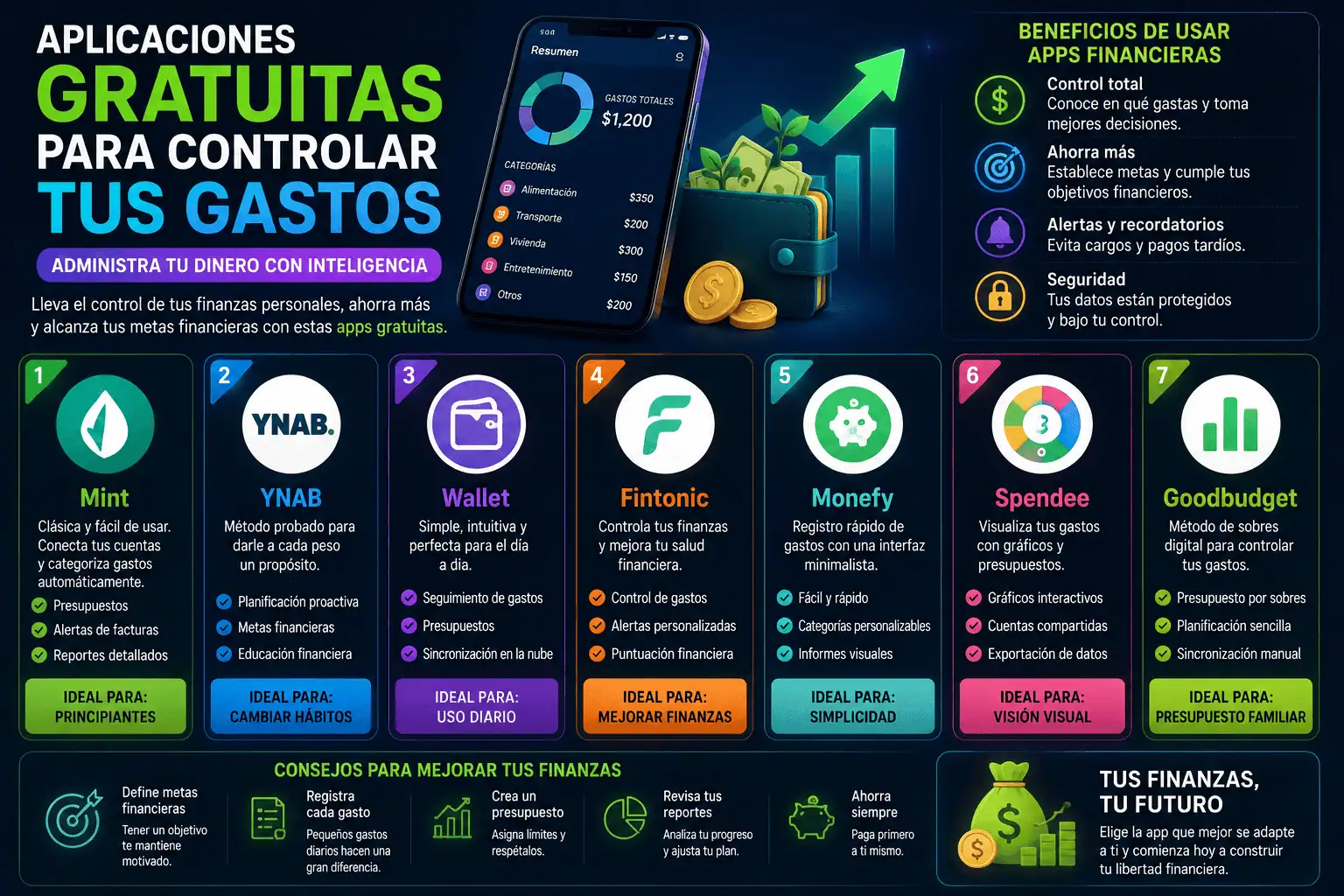
- Mint: Mint is a popular and well-established free app that offers a comprehensive suite of features, including automatic transaction tracking, budgeting tools, credit score monitoring, and investment tracking. It aggregates all your financial accounts in one place, providing a holistic view of your finances. Mint’s user interface is generally considered user-friendly, and it offers helpful visualizations of your spending habits. The primary drawback is the presence of advertisements and targeted financial product recommendations.
- Personal Capital: Personal Capital focuses more on investment management and retirement planning, but it also offers a robust free expense tracking tool. It provides detailed insights into your net worth, asset allocation, and investment performance. Personal Capital’s expense tracking features are less granular than Mint’s, but its strength lies in its ability to analyze your investment portfolio. The free version includes access to a wealth of investment planning tools.
- YNAB (You Need a Budget): While YNAB requires a subscription, they offer a free trial. Its budgeting philosophy differs from other apps. YNAB focuses on giving every dollar a job and budgeting proactively rather than reactively. It encourages users to plan their spending in advance and track their progress throughout the month. YNAB’s learning curve is steeper than other apps, but many users find its budgeting system to be highly effective.
- PocketGuard: PocketGuard takes a simplified approach to expense tracking and budgeting. It focuses on identifying your “in my pocket” amount – the money you have available to spend after covering essential expenses and savings goals. PocketGuard offers automatic transaction tracking, budgeting tools, and bill tracking features. Its interface is clean and intuitive, making it a good choice for beginners.
- Goodbudget: Goodbudget uses the envelope budgeting system, which involves allocating specific amounts of money to different categories (envelopes) at the beginning of each month. This approach can be particularly effective for people who struggle with overspending. Goodbudget offers both a free and a paid version, with the free version limiting the number of envelopes you can create.
- EveryDollar: Created by financial expert Dave Ramsey, EveryDollar emphasizes zero-based budgeting, where every dollar of income is allocated to a specific expense category. The free version requires manual transaction entry, which can be time-consuming. The paid version offers automatic transaction tracking and other premium features.
Section 4: Tips for Maximizing the Value of Free Expense Tracking Apps
To truly benefit from using a free expense tracking app, it’s essential to adopt some best practices:
- Connect All Relevant Accounts: Ensure you connect all your bank accounts, credit cards, and other financial accounts to the app to get a complete picture of your finances.
- Regularly Review and Categorize Transactions: Take the time to review and categorize your transactions regularly to ensure accuracy. Correct any miscategorized transactions and add tags for more detailed analysis.
- Set Realistic Budgets: Set realistic budgets for different expense categories based on your income and financial goals. Avoid setting budgets that are too restrictive, as this can lead to frustration and abandonment.
- Monitor Your Progress Regularly: Check your spending progress regularly to see how you’re tracking against your budget. Identify areas where you’re overspending and make adjustments as needed.
- Use Reports to Identify Trends: Utilize the app’s reporting features to identify spending trends and patterns. Look for areas where you can cut back or optimize your spending.
- Aprovecha las funciones para establecer metas: Muchas aplicaciones te permiten fijar objetivos financieros, como ahorrar para el pago inicial de una vivienda o saldar deudas. Usa estas funciones para mantenerte motivado y enfocado en tus objetivos a largo plazo.
- Sé constante: La constancia es clave para un seguimiento de gastos y una elaboración de presupuestos eficaces. Acostúmbrate a revisar tus transacciones y actualizar tu presupuesto periódicamente.
- No temas experimentar: prueba diferentes aplicaciones para encontrar la que mejor se adapte a tus necesidades y preferencias. Muchas ofrecen pruebas gratuitas o versiones gratuitas limitadas, lo que te permite probarlas antes de suscribirte a un plan de pago.
Siguiendo estos consejos y utilizando de forma constante una aplicación gratuita para el seguimiento de gastos, podrá obtener un mayor control sobre sus finanzas, tomar decisiones de gasto informadas y, en definitiva, alcanzar sus objetivos financieros.