Comprender el panorama de amenazas móviles
La proliferación de smartphones ha creado un terreno fértil para las ciberamenazas. Estos miniordenadores, conectados constantemente a internet y que almacenan datos confidenciales, son objetivos prioritarios para los ciberdelincuentes. Comprender los tipos de amenazas que acechan en la oscuridad digital es el primer paso crucial para reforzar la seguridad de tus dispositivos móviles.
El malware, abreviatura de software malicioso, abarca una amplia gama de amenazas diseñadas para infiltrarse y dañar su dispositivo. Los virus pueden replicarse y propagarse a otros dispositivos a través de archivos o aplicaciones infectadas. Los troyanos se disfrazan de software legítimo, pero contienen código malicioso oculto, lo que otorga a los atacantes acceso o control no autorizados. Los gusanos son malware autorreplicante que puede propagarse por las redes sin intervención humana. El spyware monitorea secretamente su actividad, recopilando datos personales, contraseñas e información financiera. El ransomware cifra sus archivos y exige un rescate para liberarlos. El adware lo bombardea con anuncios no deseados, lo que a menudo conduce a más infecciones de malware.
Los ataques de phishing intentan engañarte para que reveles información confidencial haciéndose pasar por entidades de confianza como bancos, redes sociales o agencias gubernamentales. Estos ataques suelen llegar por correo electrónico, SMS (smishing) o mensajes en redes sociales, incitándote a hacer clic en enlaces maliciosos o a proporcionar datos personales. Un ataque de phishing exitoso puede provocar robo de identidad, pérdidas económicas y cuentas comprometidas.
Las redes Wi-Fi no seguras representan un riesgo significativo para la seguridad. Los puntos de acceso Wi-Fi públicos, comunes en cafeterías, aeropuertos y hoteles, suelen estar sin cifrar, lo que expone tus datos a la interceptación por parte de hackers. Estos pueden interceptar fácilmente tu actividad en línea, robar tus credenciales de acceso e incluso instalar malware en tu dispositivo.
Las aplicaciones bancarias y financieras móviles son cada vez más objetivo de los hackers que buscan robar información financiera. Las aplicaciones bancarias falsas, diseñadas para imitar a las legítimas, pueden engañar a los usuarios para que ingresen sus credenciales de inicio de sesión y los datos de su tarjeta de crédito. El malware también puede interceptar mensajes SMS que contienen códigos de autenticación de dos factores, eludiendo las medidas de seguridad y otorgando acceso no autorizado a sus cuentas.
Las filtraciones de datos en grandes empresas pueden exponer tu información personal, incluyendo tu nombre, dirección, número de teléfono, correo electrónico e incluso los datos de tu tarjeta de crédito. Esta información puede utilizarse para el robo de identidad, ataques de phishing y otras actividades maliciosas. Es fundamental revisar tus informes de crédito y estar atento a cualquier actividad sospechosa.
Características esenciales de las aplicaciones de seguridad móvil
Para combatir el creciente panorama de amenazas, las aplicaciones de seguridad móvil ofrecen diversas funciones diseñadas para proteger tu dispositivo y tus datos. Elegir la aplicación adecuada requiere comprender la funcionalidad de estas funciones y cómo contribuyen a la seguridad general.
Antivirus protection is a core feature, scanning your device for malware and viruses. These apps maintain a database of known threats and proactively scan files, apps, and websites for suspicious activity. Real-time scanning provides continuous protection, detecting and blocking threats as they emerge.
Anti-phishing tools identify and block phishing attempts by analyzing websites and messages for suspicious characteristics. They compare website URLs against known phishing databases and warn you about potentially malicious links. These tools can also detect suspicious email or SMS messages based on their content and sender information.
Web protection features safeguard your browsing activity by blocking access to malicious websites and preventing you from downloading infected files. They use web reputation services to identify and block websites known to distribute malware or engage in phishing activities. Some apps also offer safe browsing modes that encrypt your traffic and protect your privacy.
Wi-Fi security scanners analyze the security of Wi-Fi networks, identifying unsecured networks and alerting you to potential risks. They check for encryption protocols, password protection, and other security measures. Some apps also offer VPN (Virtual Private Network) functionality, which encrypts your internet traffic and protects your data when using public Wi-Fi.
App lock features allow you to password-protect specific apps on your device, preventing unauthorized access to sensitive information. This is particularly useful for apps containing personal data, financial information, or social media accounts. You can use PINs, passwords, or biometric authentication to lock your apps.
Call and SMS filtering blocks unwanted calls and text messages from specific numbers or unknown senders. This feature can help protect you from spam, telemarketing calls, and phishing attempts. You can create custom block lists or use pre-defined lists based on community feedback.
Device locator features help you locate your device if it’s lost or stolen. These features use GPS tracking to pinpoint your device’s location and allow you to remotely lock or wipe your data to prevent unauthorized access. Some apps also offer features like taking a photo of the person using your device or sounding an alarm to help locate it.
Data breach monitoring scans databases of known data breaches to identify if your personal information has been compromised. It alerts you if your email address, phone number, or other personal details have been found in a data breach, allowing you to take steps to protect your accounts and financial information.
VPN (Virtual Private Network) encrypts your internet traffic, protecting your data from eavesdropping and ensuring your online privacy. It masks your IP address, making it difficult for websites and advertisers to track your online activity. VPNs are particularly useful when using public Wi-Fi networks.
Top Mobile Security App Recommendations
Choosing the right mobile security app depends on your individual needs and priorities. Several reputable apps offer comprehensive protection against a wide range of threats.
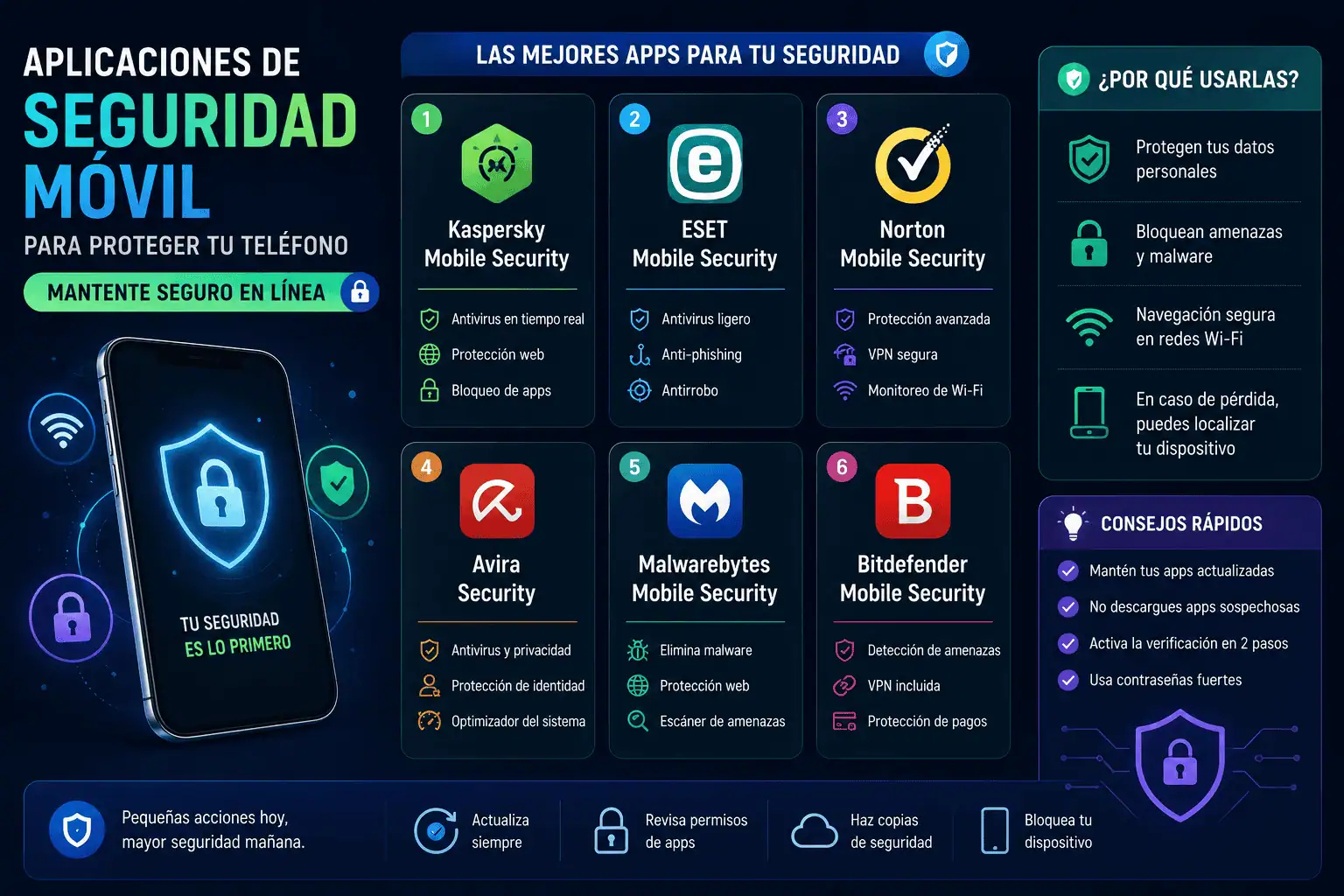
Norton Mobile Security provides comprehensive protection against malware, phishing, and other mobile threats. It includes antivirus scanning, web protection, Wi-Fi security scanning, and app lock features. Norton also offers a device locator feature and data breach monitoring.
McAfee Mobile Security offers a range of features, including antivirus protection, web protection, Wi-Fi security scanning, and call and SMS filtering. It also includes a device locator feature and a battery optimizer to extend your battery life. McAfee offers identity theft protection features in its premium plans.
Bitdefender Mobile Security provides excellent malware detection rates and a range of features, including antivirus scanning, web protection, Wi-Fi security scanning, and app lock features. It also includes an anti-theft module and a privacy advisor to help you manage your app permissions.
Avast Mobile Security offers a free version with basic antivirus protection, web protection, and Wi-Fi security scanning. The paid version includes additional features like app lock, call and SMS filtering, and an anti-theft module.
Kaspersky Mobile Security provides comprehensive protection against malware, phishing, and other mobile threats. It includes antivirus scanning, web protection, Wi-Fi security scanning, and app lock features. Kaspersky also offers an anti-theft module and a safe browsing mode.
Best Practices for Mobile Security
Installing a mobile security app is only one piece of the puzzle. Following best practices for mobile security is essential for staying safe online.
Keep your operating system and apps updated. Software updates often include security patches that fix vulnerabilities and protect against known threats.
Download apps only from official app stores. Third-party app stores may contain malicious apps that can compromise your device.
Be cautious of suspicious links and attachments. Avoid clicking on links or opening attachments from unknown senders.
Use strong passwords and enable two-factor authentication. Strong passwords make it difficult for hackers to guess your login credentials, while two-factor authentication adds an extra layer of security.
Be careful about the permissions you grant to apps. Only grant apps the permissions they need to function properly.
Use a VPN when connecting to public Wi-Fi. A VPN encrypts your internet traffic and protects your data from eavesdropping.
Back up your data regularly. Backing up your data ensures that you can recover it in case your device is lost, stolen, or infected with malware.
Enable remote wipe and lock features. These features allow you to remotely lock or wipe your data if your device is lost or stolen.
Monitor your credit reports regularly. Monitoring your credit reports can help you detect identity theft and fraudulent activity.
Cuando uses tu dispositivo móvil en público, presta atención a tu entorno. Evita introducir información confidencial en lugares públicos donde otros puedan ver tu pantalla.